Helping Children play, grow & thrive
Warm, play-based occupational therapy for children. Building the everyday skills they need to feel confident, capable and proud of what they can do.
20+ years
Clinical experience
Birth – 16
Supporting Children & Young People
Where It Works Best for Your Child
Home • School • Kindy
Therapy That Makes a Difference in Everyday Life
High-quality occupational therapy begins with understanding the whole child and looking beyond diagnosis to consider how they function across their real world environments and as an independent practitioner, my approach is collaborative, evidence-informed, and focused on practical strategies that can be realistically incorporated into your family's everyday routine.
Whether working alongside families, educators, or multidisciplinary teams, I combine advanced clinical expertise with a warm, practical, and family-centred approach to help children participate successfully in their everyday lives.

20+ Years Experience
Supported by more than two decades of clinical experience across Australia and the UK.

Specialist Qualifications
Advanced postgraduate training in Sensory Integration and multidisciplinary autism assessment.

Individualised Care
Assessment and therapy designed entirely around your child's unique strengths, needs, and environment.
About Lara Breaker-Rolfe
I am a highly experienced Paediatric Occupational Therapist with more than two decades of clinical experience across Australia and the United Kingdom. As an independent therapist, I provide specialist assessment, clinical reasoning, and individualised intervention for children and young people with developmental, neurological, and neurodevelopmental needs.
Throughout my career, I have developed a particular interest and expertise in Autism Spectrum Disorder, sensory processing and integration, and neurodevelopmental disorders. I also have extensive experience completing NDIS Functional Capacity Assessments and Assistive Technology assessments translating complex clinical information into clear, practical recommendations that support meaningful outcomes.


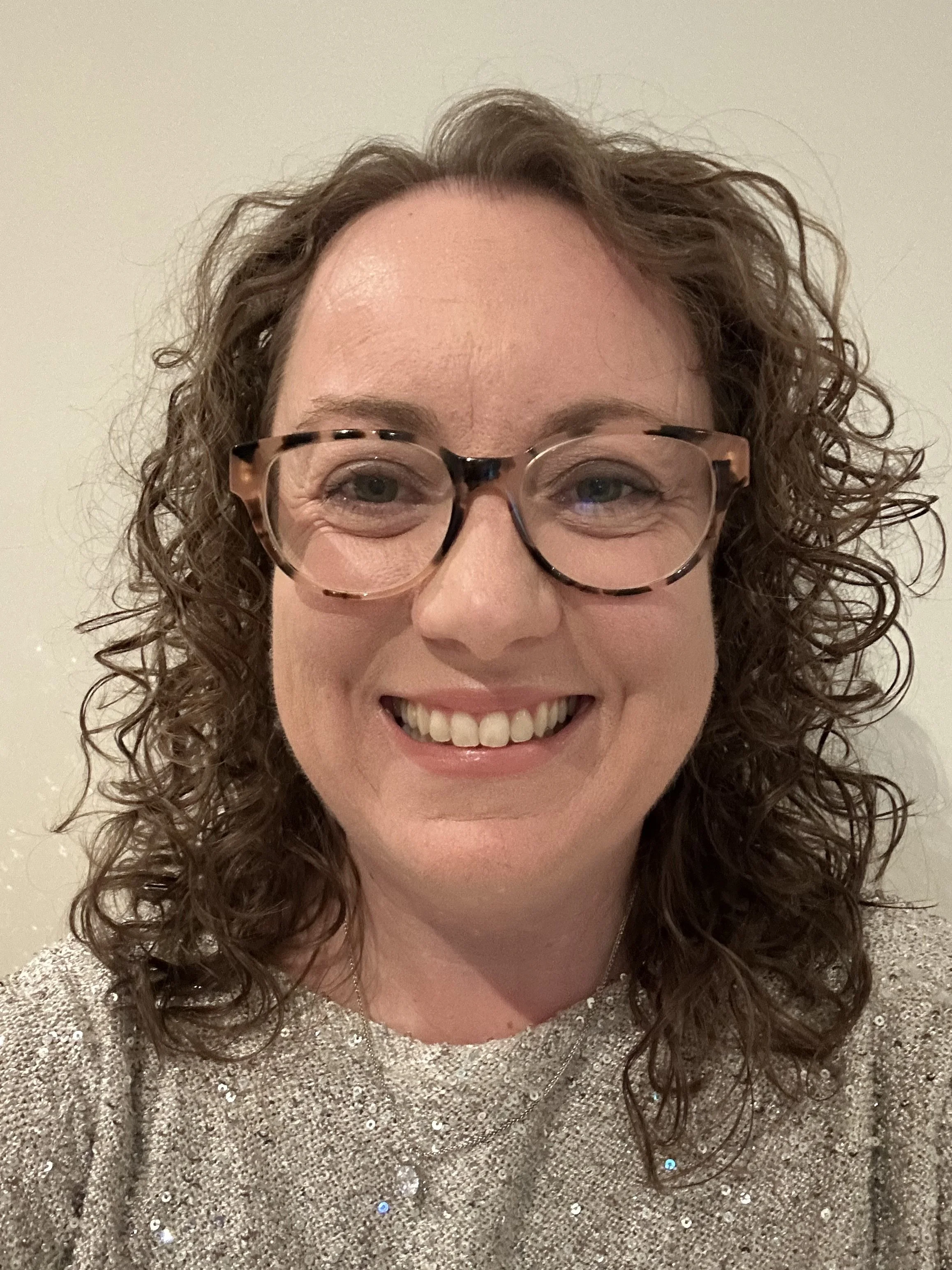
Senior Paediatric Occupational Therapist & Advanced Sensory Integration Practitioner

A Depth of Experience
My professional experience extends well beyond traditional clinical settings. I have worked across clinical, educational, community, and multidisciplinary environments in both Australia and the UK, managing complex caseloads and providing clinical leadership.
For more than 15 years, I owned and led a multidisciplinary children's therapy service in the UK, managing a team of occupational therapists, speech pathologists, and therapy assistants. I also established and led a private multidisciplinary autism diagnostic service, conducting comprehensive autism assessments in close collaboration with paediatricians, speech pathologists, families, and schools. This background provides me with a detailed understanding of the complex ways in which neurodiversity and sensory differences affect communication, emotional regulation, learning, self-care, and daily participation.


Specialist Training & Clinical Expertise
ㆍ Advanced Sensory Integration Practitioner
ㆍ Postgraduate Sensory Integration Training – Cardiff University
ㆍ ADOS-2 Certified Practitioner
ㆍ SOS Approach to Feeding ™ Training
ㆍ Therapeutic Listening® Certified Practitioner
ㆍ Wilbarger Therapressure Program™ Advanced Practitioner
ㆍ Sensory Attachment Intervention Training
ㆍ 24-hour Postural Management Training
ㆍ Assistive Technology, Seating & Equipment Assessment
ㆍ NDIS Functional Capacity Assessments & Report Writing

Specialist Assessment Experience
Every child is different, so I select assessment tools according to their age, developmental profile, strengths, functional needs and the questions we are trying to answer.
I have extensive experience using standardised and functional assessments to understand a child's development, strengths, challenges, independence and participation across home, school and community environments.
-
ADOS-2 – Autism diagnostic observation of social communication, interaction, play and behaviours associated with autism.
DP-4 – Broad assessment of development across physical, adaptive, social-emotional, cognitive and communication domains.
-
SPM-2 – Comprehensive assessment of sensory processing, praxis, social participation and regulation across everyday environments.
-
Vineland-3 – Adaptive functioning across communication, daily living and socialisation.
ABAS-3 – Adaptive behaviour skills including self-care, home living, community use, social skills and functional academics.
PEDI-CAT – Functional skills, independence and level of assistance required in everyday activities.
REAL – Functional assessment of everyday living skills.
-
Brown EF/A Scales – Executive functioning and attention, including organisation, initiation, working memory, emotional regulation and task completion.
-
MABC-2 – Fine and gross motor coordination, including manual dexterity, balance and ball skills.
Beery VMI – Visual-motor integration relevant to handwriting, drawing, copying and classroom activities.
TVPS-3 – Visual perceptual skills relevant to reading, copying, puzzles, construction and classroom activities.
MFUN-PS – Functional motor skills and participation.
DASH – Handwriting speed and written productivity.
McMaster Handwriting Protocol-3 – Assessment of handwriting performance and contributing factors.
-
School Function Assessment (SFA) – School participation, functional performance, assistance requirements and adaptations needed for successful participation.
-
I also use standardised and functional assessment approaches to inform NDIS Functional Capacity Assessments, considering independence, prompting, supervision, physical assistance, safety, participation and the impact of disability across everyday environments.
Where clinically appropriate, additional measures such as the Zarit Caregiver Burden Scale may be used to understand the impact of ongoing support requirements on caregivers.
-
Standardised assessment is only one part of the process. I combine assessment results with clinical observations, parent and caregiver interviews, collateral reports and functional assessment to understand not just what a child can do in a structured assessment, but how they function in everyday life.
The goal is to translate assessment findings into practical recommendations that support participation, independence and success at home, school and in the community.